
Elena Rybakina visits autism center in Almaty and supports children
Wimbledon champion and Kazakhstan’s top tennis player Elena Rybakina visited the Asyl Miras center in Almaty, which was opened by the Bulat Utemuratov Foundation as part of the program “Autism. One World for All.” The program has been running since 2015 and focuses on early diagnosis and development of children with autism spectrum disorder (ASD). […]
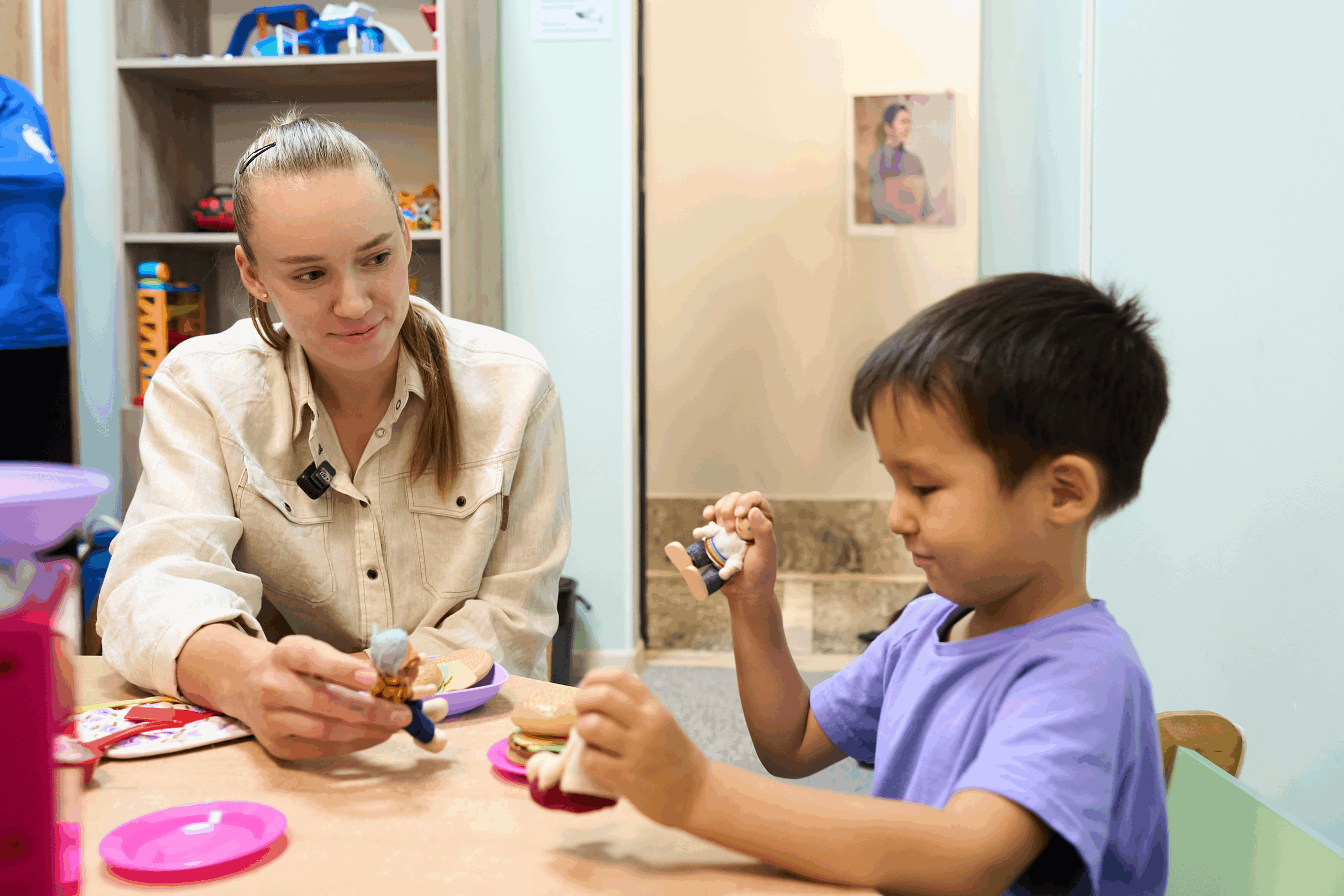
Wimbledon champion and Kazakhstan’s top tennis player Elena Rybakina visited the Asyl Miras center in Almaty, which was opened by the Bulat Utemuratov Foundation as part of the program “Autism. One World for All.”
The program has been running since 2015 and focuses on early diagnosis and development of children with autism spectrum disorder (ASD). Over the past 10 years, more than 20,000 children and their families have received free support across 13 centers nationwide.
Elena Rybakina learned about modern approaches and methods used to work with children, including the JASPER program (Joint Attention, Symbolic Play, Engagement & Regulation), which is aimed at developing joint attention, symbolic play, emotional regulation, and social skills.
During the visit, the famous tennis player received a special gift — a painting created by 11-year-old Aleksandra Gostyaeva from the autism center in Petropavlovsk. The girl painted a portrait of Elena, putting her heartfelt warmth and creative sincerity into the artwork.
“I’m deeply impressed by how the teachers and specialists create an atmosphere of support and trust. The methods used at Asyl Miras show how play and focused attention can help children unlock their abilities. I’m grateful for this gift — it carries so much sincerity and symbolism,” Elena Rybakina shared.
In turn, Aйнур Karbozova, Director of the Bulat Utemuratov Foundation, noted: “It is a great honor for us to welcome Elena Rybakina — a symbol of strength and inspiration. Her participation sends an important message to society: paying attention to children with special needs is the path to an inclusive future. Such visits inspire parents, support specialists, and help shift public perception toward greater openness and acceptance.”