Improving the ecosystem of the Aral Sea seabed
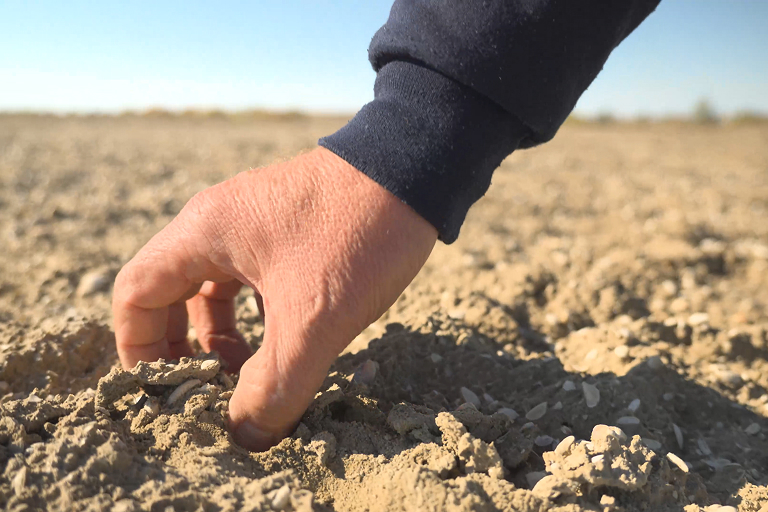
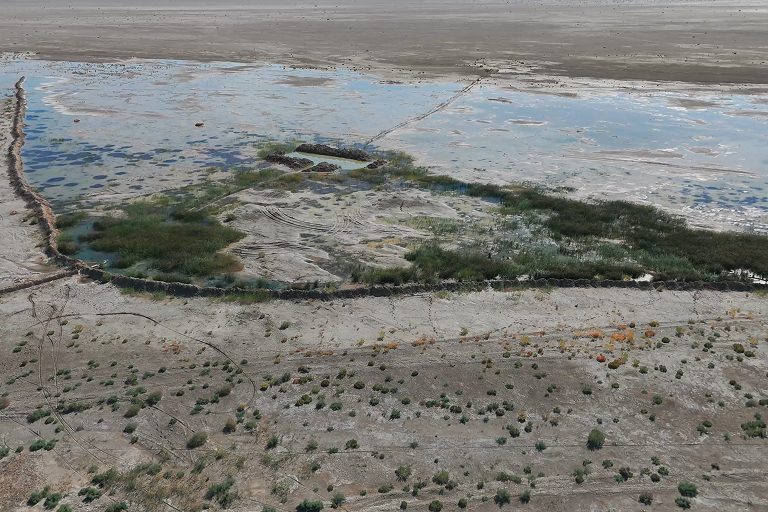
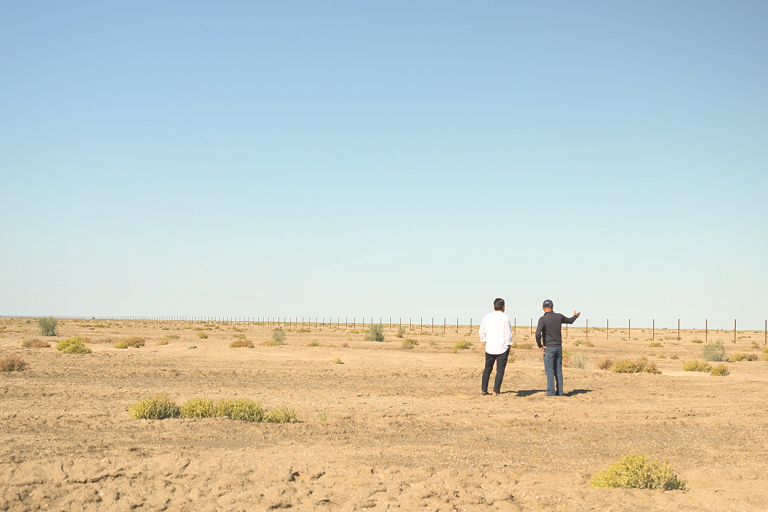
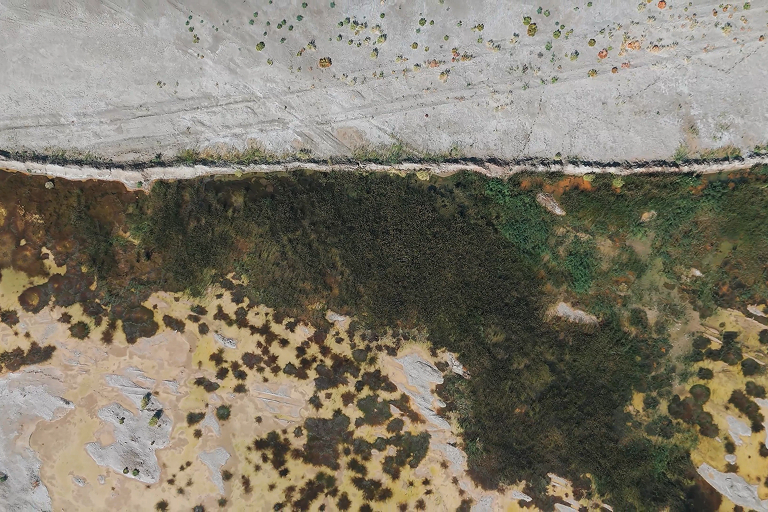
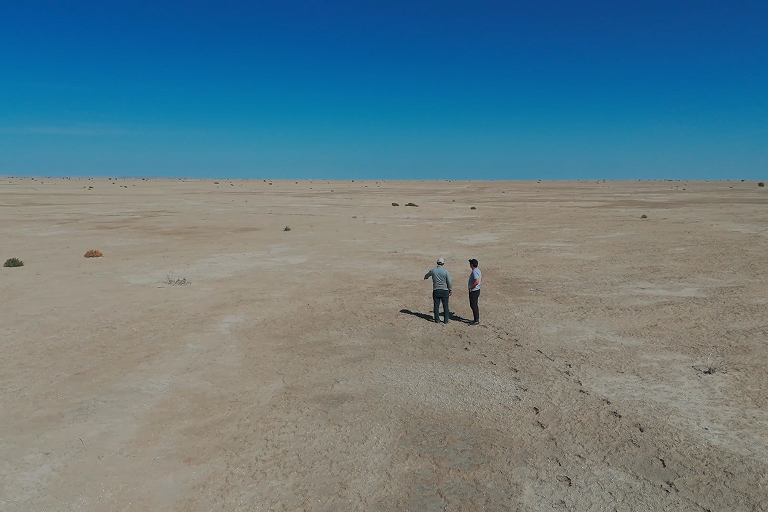
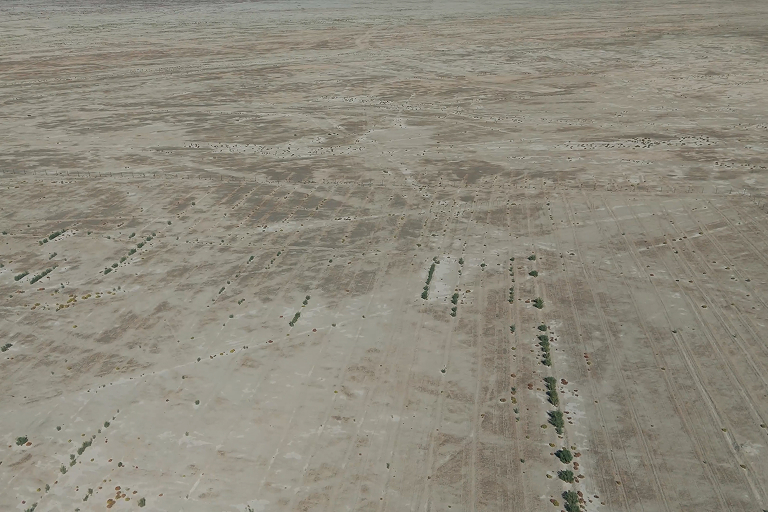
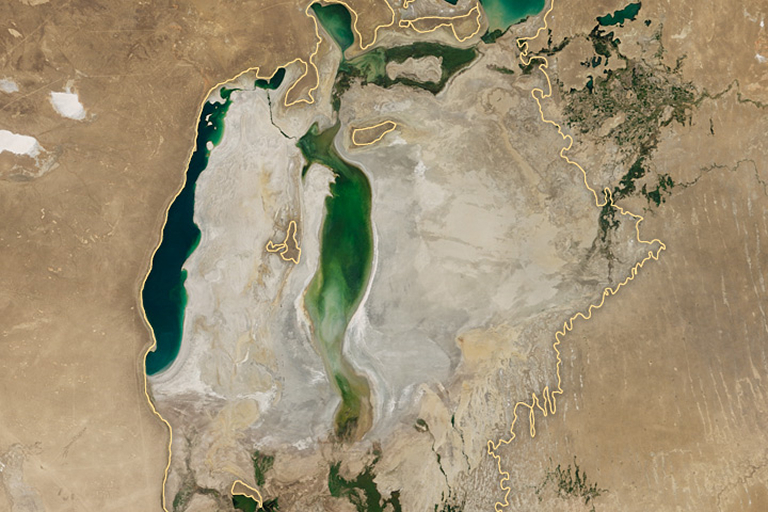
The environmental project aims to restore the seabed of the Aral Sea — one of the world’s largest ecological disaster zones.
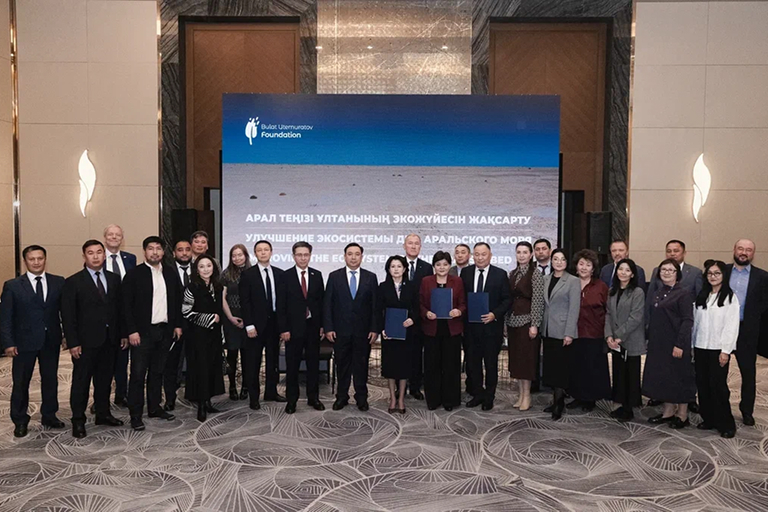
The initiative is being implemented in partnership with the University of California, Berkeley, the Executive Directorate of the International Fund for Saving the Aral Sea in Kazakhstan, and Korkyt Ata Kyzylorda University.
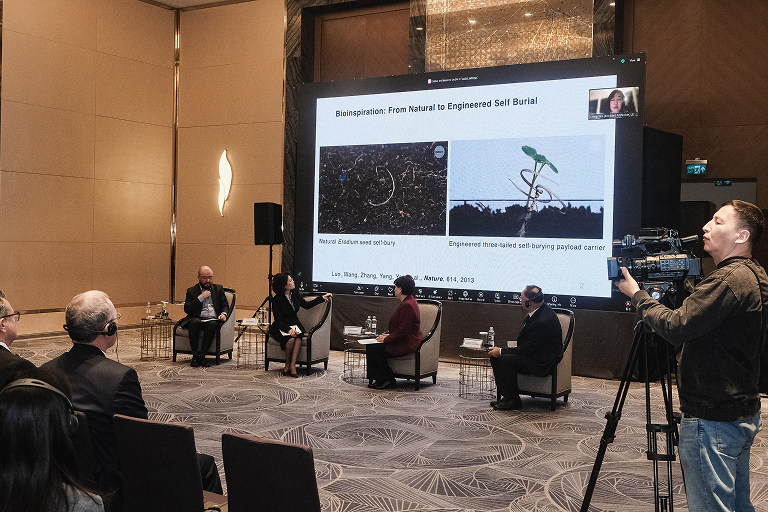
The pilot project of the Bulat Utemuratov Foundation is designed to achieve long-term improvement of the Aral seabed ecosystem and to test UC Berkeley’s innovative E-seed technology in the field. This technology is based on aerial seeding using drones that disperse special self-burying seeds encased in biodegradable material. The method enables high-speed, large-scale planting and increases seed survival rates thanks to deeper soil penetration. It also minimizes labor requirements while ensuring rapid planting across vast areas.
A test planting on a one-hectare site is scheduled to begin in March–April 2026. If scientifically verified survival rates exceed 20 percent, the second phase of the pilot project will be launched in 2027, expanding planting efforts to 50 hectares of the dried seabed of the Aral Sea.
The project is being carried out in close alignment with initiatives undertaken during Kazakhstan’s chairmanship of the International Fund for Saving the Aral Sea (IFAS), which, from 2024 to 2026, is led by the President of the Republic of Kazakhstan, Kassym-Jomart Tokayev.
- $ 804 000 project budget