Kanat Beisekeev Releases a Documentary on Autism: A Story of Acceptance and the Journeys of Families and Society
The film was produced with the support of the Bulat Utemuratov Foundation.
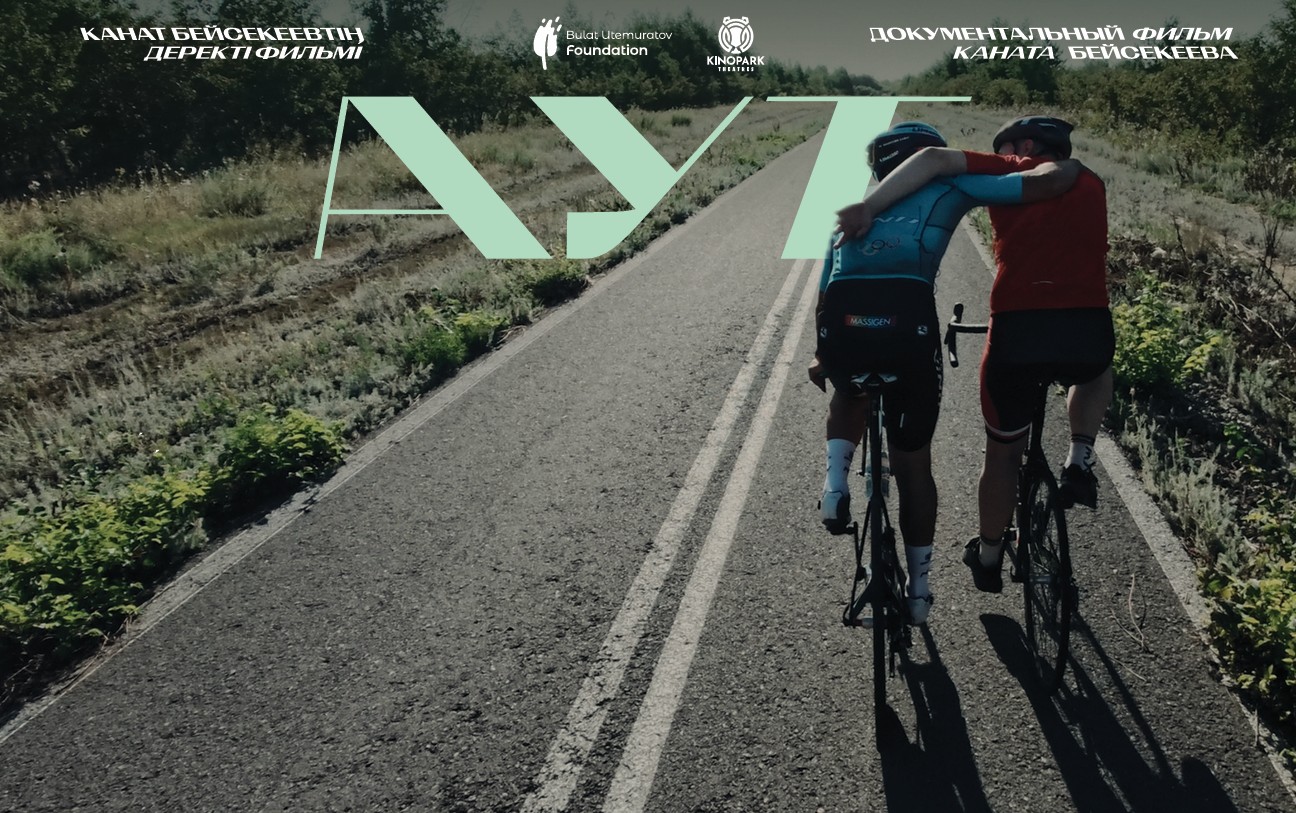
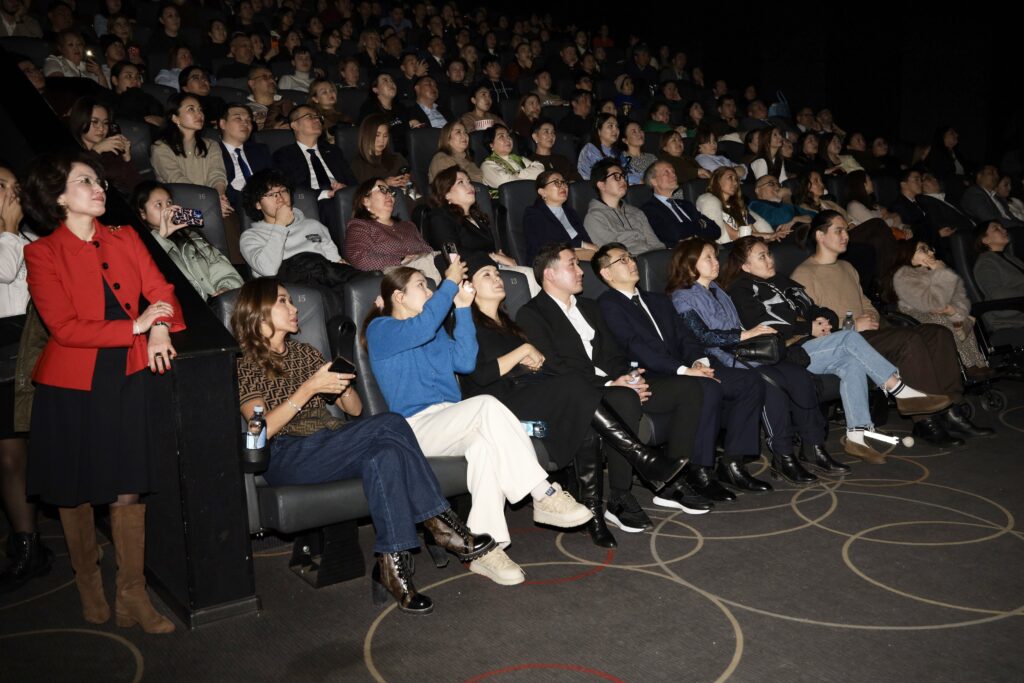
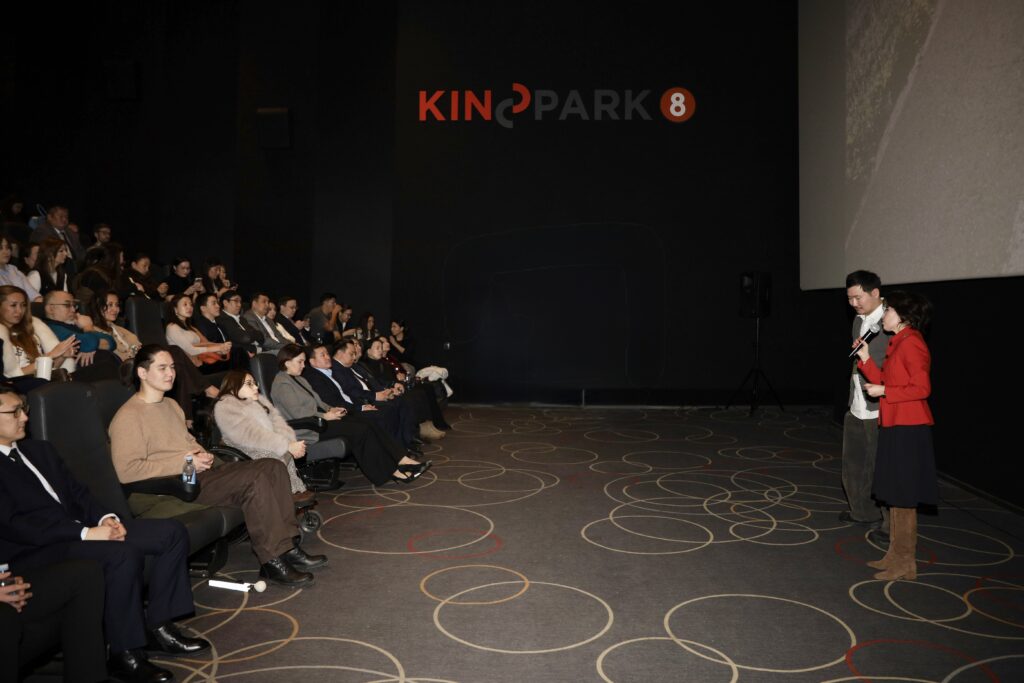
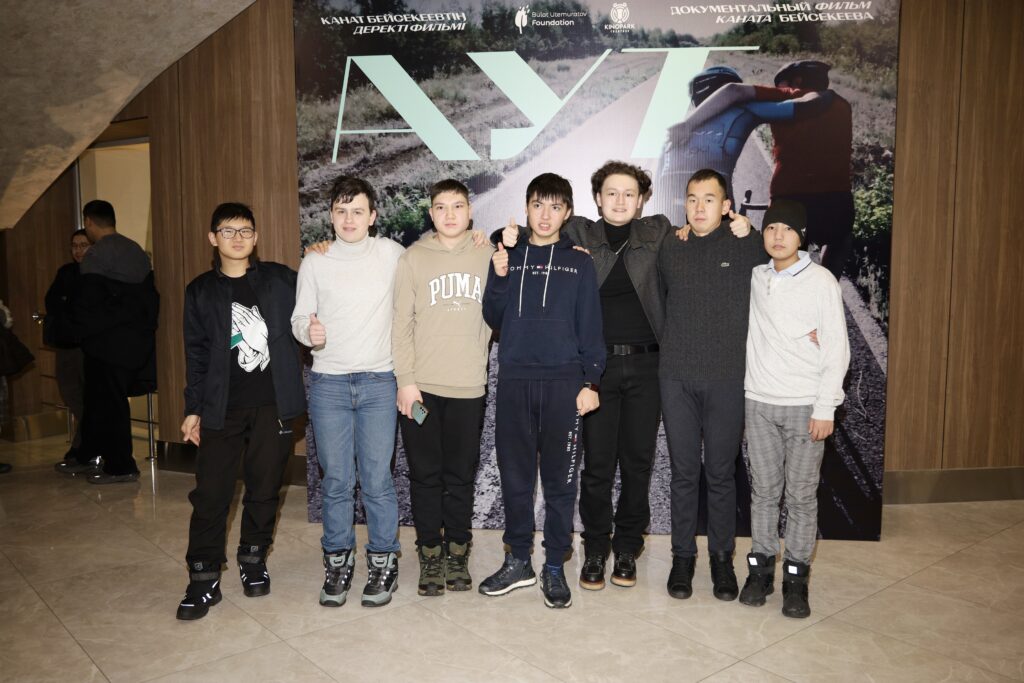
The documentary Aut (Out) premiered in Astana and Almaty. It is the latest work by director Kanat Beisekeev and is dedicated to children with autism, their families, and those who help them take daily steps toward engaging with the world. The film was produced with the support of the Bulat Utemuratov Foundation.
Autism is still not discussed enough in society. Yet for thousands of families, it is an everyday reality: children learning to hear and be heard; parents searching for support each day; and specialists creating environments where children feel safe and able to unlock their potential.
Aut is a film about exactly this. It does not attempt to explain a diagnosis through dry terminology or statistics. Instead, it carefully and compassionately portrays everyday life, where every small achievement requires tremendous effort and becomes a major victory.
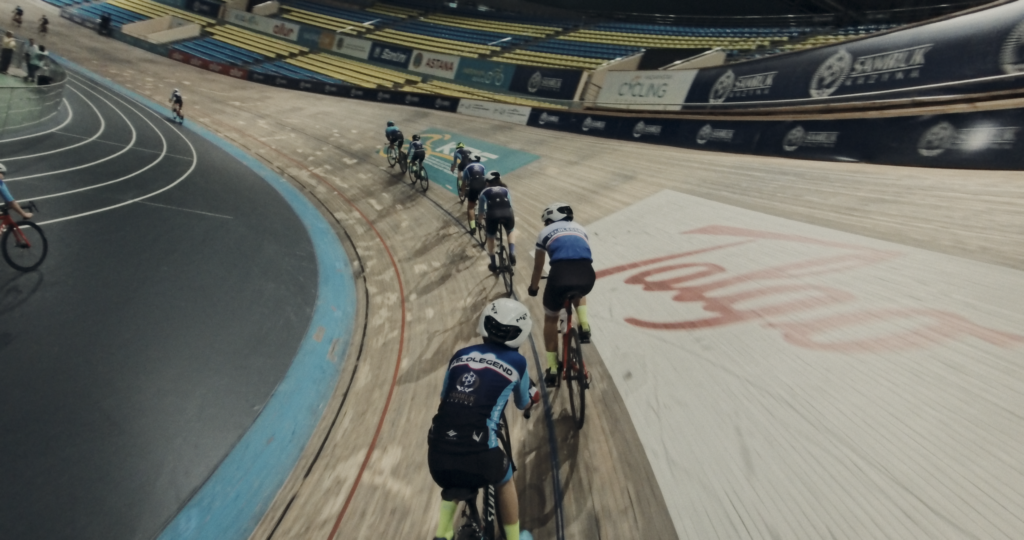
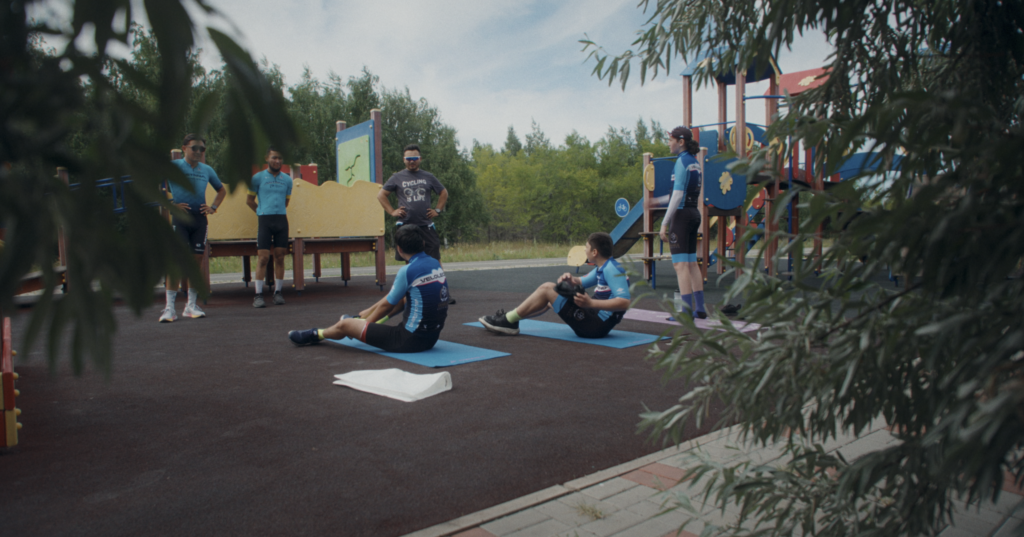
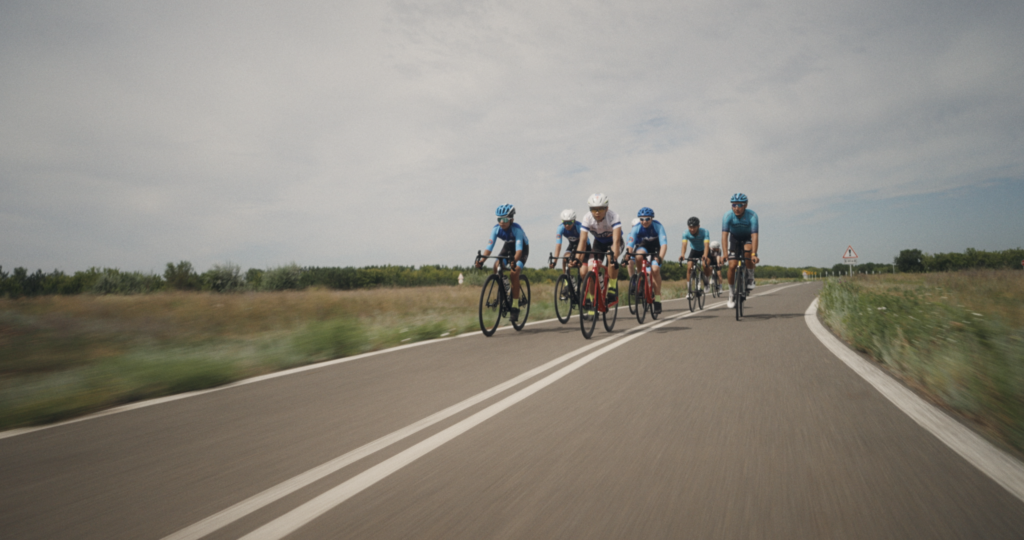
The story unfolds around bicycle training sessions for children in Astana. Here, sport is not merely physical activity – it becomes a language of interaction, a way to build connection, gain control over one’s body and movement, and learn to trust the world and the people around. The film’s protagonists come from different families and social backgrounds, but they are all united by sport.
One of the film’s central figures is cycling coach Kairat Khaldybek, who works with children with special needs. His story is one of patience, consistency, and the delicate line where professionalism meets genuine humanity.
“When a child first manages to keep their balance on a bicycle, it’s not just about physics. It’s about confidence – the feeling of ‘I can.’ Moments like these change how a child sees themselves and how others see them. It’s important to me that society learns to see possibilities in our children, not limitations,” said Kairat Khaldybek.
For Kanat Beisekeev, Aut became one of the most personal and meaningful projects of his career. In this film, the director deliberately moves away from the distance of an observer and approaches the subject with maximum honesty and responsibility.
“This is a film about people and about support. About how life can change step by step when there are those nearby who believe. I wanted to make a film that helps remove the fear of talking about autism and allows people to see real, living individuals behind the topic,” Beisekeev shared.
Kanat Beisekeev is one of Kazakhstan’s most prominent documentary filmmakers, known for putting people and their stories at the center of his work rather than form alone. In Aut, he stays true to his signature style – observational, honest, and emotionally precise– inviting the audience not to judge or pity, but to understand and accept.
Supporting the film continues the Bulat Utemuratov Foundation’s long-term, systemic work to support children with autism and their families. One of the Foundation’s key initiatives is the Autism. One World for All program, under which a network of 13 Asyl Miras centers has been operating in 12 cities across Kazakhstan since 2014. Over the years, more than 20,000 children have received support. More information about the program is available on the Foundation’s website.
“We believe society becomes stronger when it learns to accept and support. Aut is an honest and deeply human film that helps audiences see the child, the family, and their everyday reality behind the diagnosis. For the Foundation, it is important to support projects that build understanding, respect, and a willingness to help,” said Ainur Karbozova, CEO of the Bulat Utemuratov Foundation.
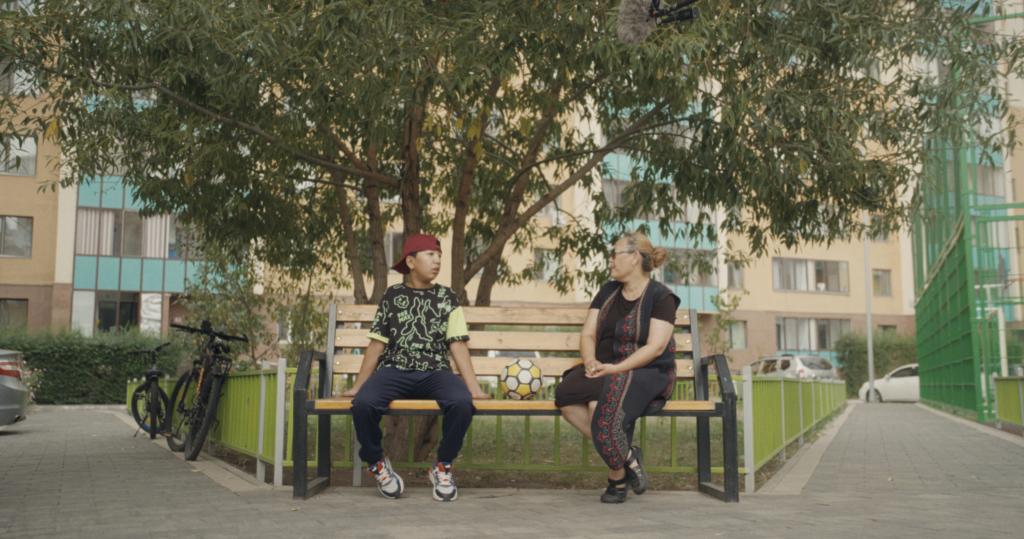
Aut is not a film about a diagnosis. It is a film about people – about how, in a world that is often unprepared for difference, there are those who teach it to be more attentive.
The film reminds us that acceptance begins not with loud statements, but with simple actions.